Training & Skills

Football drills, fitness, and player development tips.

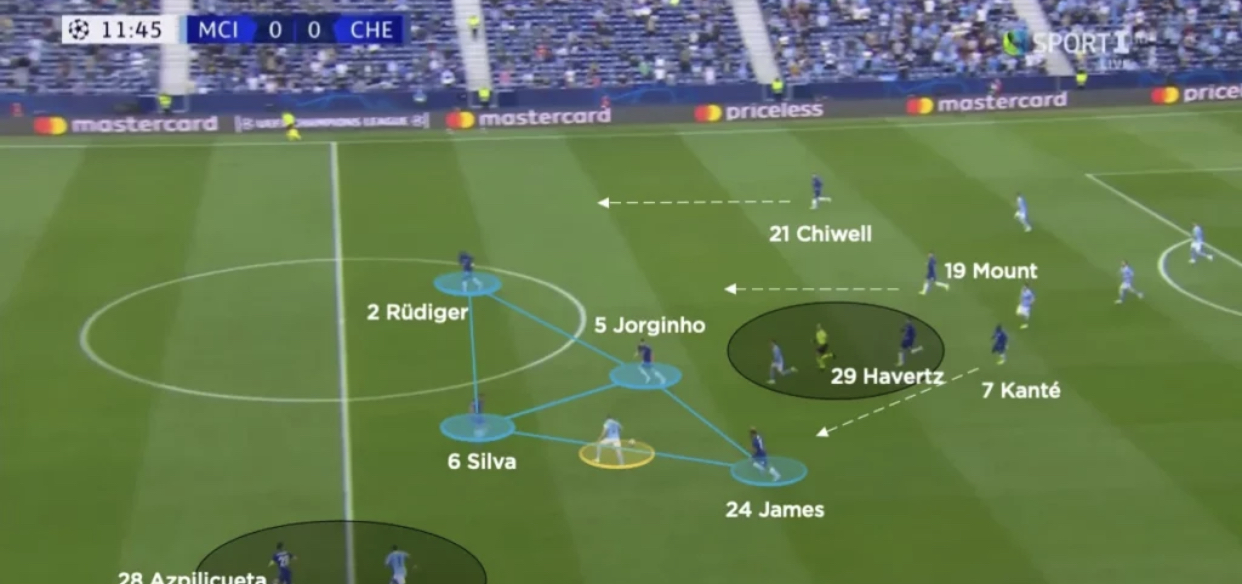
  • Tactics of Organized Defense in Football

    Tactics of Organized Defense in Football

    The reason for defending tactics is because defense is foundational to football’s outcome, identity and long-term success. It’s not merely “preventing goals”; it shapes tactics, resource allocation, player development and psychological dynamics across every level of the game.

    If you don’t organize, you just run. And tired teams concede.

    A good defense isn’t 4 defenders. It’s 11 players with 1 brain.

    The 4 rules to organize defensively

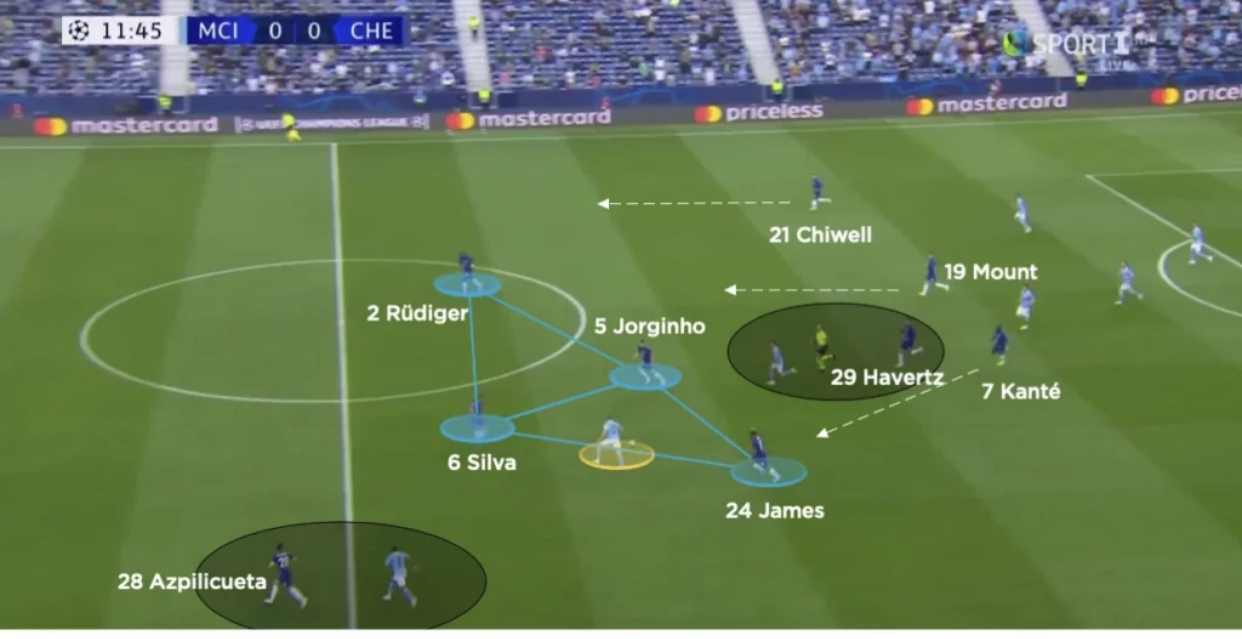
    1) Compactness — “No gaps”*
    Stay close together vertically and horizontally.
    *Rule*: 25–30 meters between your striker and your last defender.
    If there’s space between lines, good teams will play through you.
    *Call it*: “Squeeze!” “Drop 5 yards!”

    2) Shape — Pick 1 and stick to it*
    Most teams use one of these:
    – *4-4-2 block*: 2 banks of 4. Hard to play through. Good for underdogs
    – *4-3-3 press*: Front 3 cut passing lanes, midfield 3 cover
    – *5-3-2*: 5 at back. Safe, hard to break down

    *Key*: Everyone must know their zone. If 1 person is out of shape, the whole shape breaks.

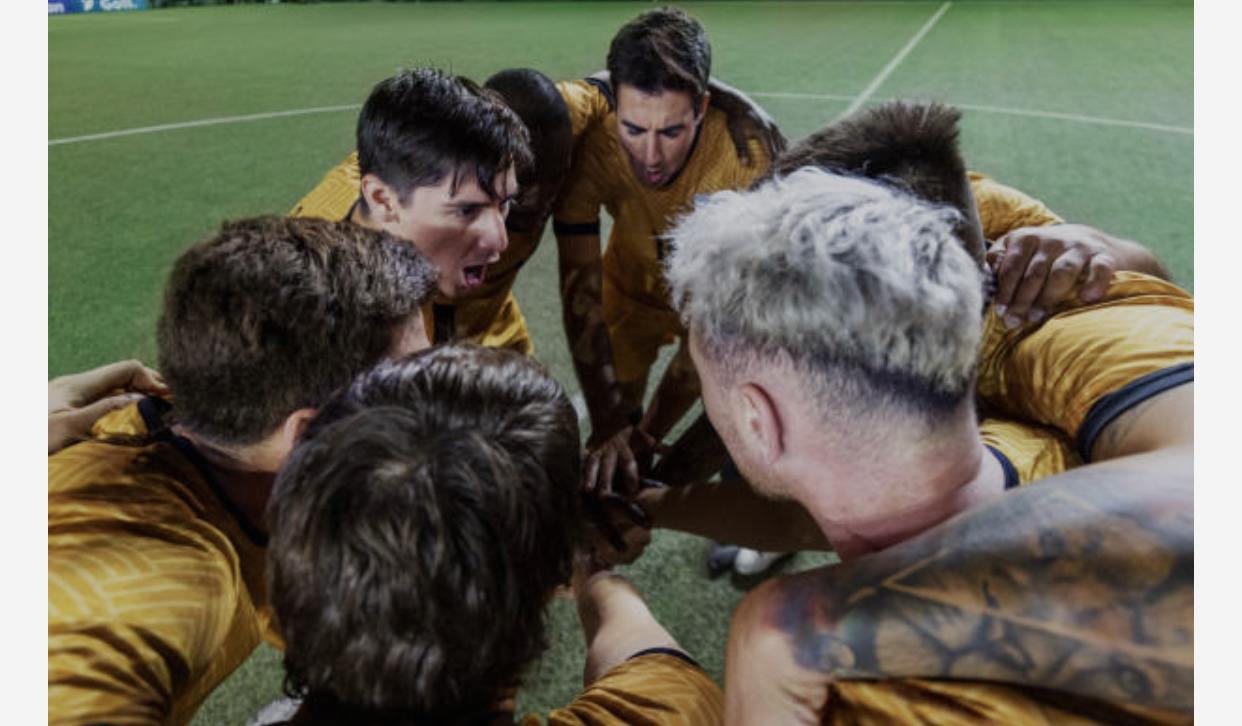
    3) Communication — Constant*
    Defense dies in silence.
    *What to shout:*
    – *”Step!”* → Push the lineup together
    – *”Drop!”* → Drop off, don’t get in behind
    – *”Slide left/right!”* → Shift as a unit with the ball
    – *”Cover!”* → I’m going to press, you cover behind me.
    – *”Runner!”* → Someone running behind
    – *”Ball / Man / Space”* → Know what you’re marking

    4) Triggers — When to press, when to drop*
    Don’t just chase. Have rules.
    – *Press trigger*: Bad touch, back pass, ball to fullback
    – *Drop trigger*: Ball played from behind, outnumbered
    Everyone presses or everyone drops. Half-press = disaster.

    *Jobs by position*

    *Goalkeeper*: The commander. “Left shoulder!” “Keeper’s!” “Push up!”
    *Center Backs*: Organize the line. “Step,” “Drop,” “Squeeze”
    *Fullbacks*: “Inside!” “Show him wide!”
    *Midfielders*: “Turn him!” “Screen!” “Get goal side!”
    *Forwards*: First line of defense. “Force him that way!”

    *3 drills to get organized*

    1. *8v8 in half pitch*
    Rule: If the shape breaks and there’s a gap >10 yards between lines, goal for the other team
    1. *No talk = Goal*
    If the defense concedes and no one talked for 5 seconds before, a double goal.
    1. *Shadow play*
    No ball. The coach moves the ball, you move like a block. Teaches shift together.

    *Biggest mistakes*
    1. *Chasing ball* — 1 guy presses, 10 watch = easy pass around
    2. *Not talking* — Silent backline = goals
    3. *Ball watching* — Forget your runner

    *Truth*: Attack wins games. Defense wins titles.
    Organized teams make the other team play where YOU want them to play.

    Formation team play determines what types of setup and calls* organize to use.
    The concluding part of it is that defense is essential—not an optional. Remember, teams that master defensive principles while integrating them with their offensive identity achieve the most consistent outcomes.

  • Why communication is non-negotiable in footballUr

    Why communication is non-negotiable in footballUr

    Communication is not negotiable in football because communication in football is’s not extra. It’s the 12th player.

    You can be fast, strong, skillful. But if you’re silent, you’ll always play alone.

    Communication is the Wi-Fi that connects 11 players.

    Without it, you’ve just got 11 individuals. With it, you’ve got 1 team.
    1)to prevent mistakes before they happen
    “Man on!” → teammate doesn’t get tackled
    “Drop!” → backline doesn’t get caught by a through ball
    “Runner!” → you don’t get scored on
    90% of goals come from no one talking.

    2) that are well organized
    11 players ≠ 1 team.
    1 voice telling “step up”, “squeeze”, “cover” = 11 players moving as 1 block.*1. It prevents mistakes before they happen*
    “Man on!” → teammate doesn’t get tackled
    “Drop!” → backline doesn’t get caught by a through ball
    “Runner!” → you don’t get scored on
    90% of goals come from no one talking.

    3) that speeds up decisions.
    If you hear “Turn!” “Time!” “Switch!” you don’t have to scan everything.
    Your brain processes faster. That’s 0.5 seconds saved. That’s everything in football.

    4) who builds trust with coaches
    Coach thinks: “He’s talking = he’s switched on. I can trust him in big games.”
    Quiet players get subbed. Talkers get the armband.

    5) lifted hope
    Down 1-0, tired, 80th minute.
    “Let’s go! Press! We got this!”
    Your voice gives legs to teammates.

    This actually makes me remember the 2004/05 Champions League final between Liverpool and Ac Milan. It was 3-0 down against Liverpool at halftime and Liverpool outclassed and outwitted Ac Milan by making it be a Miracle at Istanbul when the second half ended 3-3 and Liverpool won on penalties which miracle came from inspired captain Steven Gerrard, who keeps talking to teammates on day ‘’We can do it ‘

    What happens with NO communication?

    **With Communication****Without Communication**
    Shape stays compact. Huge gaps appear
    Everyone knows their job. 2 players chase the same man.
    We play out from the back in calm panic, hoof it, lose the ball.
    The team feels confident. The team feels lost and blames each other.

    *3 types of communication pros use*

    *1. Verbal* — “Man on”, “Switch”, “Hold the line”
    *2. Body* — Pointing, hand up for ball, showing where to pass
    *3. Eye contact* — Quick look = “I see you, play me.”

    *Truth from coaches*
    “Technique gets you in the team. Communication keeps you in the team.”

    At trials, scouts watch who talks.
    At pro level, the loudest players are usually the captains: Van Dijk, Bruno, Kante.

    *How to start TODAY*
    1. *1 rule*: Say 1 thing every 10 seconds in training
    2. *Call names*: “Tune, back!” hits harder than just “back!”
    3. *Be positive*: “Next one” not “you messed up”

    *Football IQ without a voice = useless.*
    No talk = chaos. Everyone does their own thing.

    3)speeds up decisions*
    If you hear “Turn!” “Time!” “Switch!” you don’t have to scan everything.
    Your brain processes faster. That’s 0.5 seconds saved. That’s everything in football.

    *4. It builds trust with coaches*
    Coach thinks: “He’s talking = he’s switched on. I can trust him in big games.”
    Quiet players get subbed. Talkers get the armband.

    *5. It lifts the team*
    Down 1-0, tired, 80th minute.
    “Let’s go! Press! We got this!”
    Your voice gives legs to teammates.

    *What happens with NO communication?

    **With Communication****Without Communication**
    Shape stays compact. Huge gaps appear
    Everyone knows their job. 2 players chase the same man.
    We play out of the back in calm panic, hoof it, lose the ball.
    The team feels confident. The team feels lost and blames each other.

    *3 types of communication pros use*

    *1. Verbal* — “ManVerbal* — “Man on”, “Switch”, “Hold the line”
    *2. Body* — PointingBody* — Pointing, hand up for ball, showing where to pass
    *3. Eye contact* — Quick look = “I see you, play me.”

    *Truth from coaches*
    “Technique gets you in the team. Communication keeps you in the team.”

    At trials, scouts watch who talks.
    At pro level, the loudest players are usually the captains: Van Dijk, Bruno, Kante.

    *How to start TODAY*
    1. *1 rule*: Say 1 thing every 10 seconds in training
    2. *Call names*: “Tune, back!” hits harder than just “back!”
    3. *Be positive*: “Next one” not “you messed up”

    *Football IQ without a voice = useless.*

  • Highlights of key things affecting growth of grassroots football

    Highlights of key things affecting growth of grassroots football

    Grassroots football in the World has long been a cornerstone of the nation’s football culture, with millions of players, coaches, and volunteers involved at local levels.

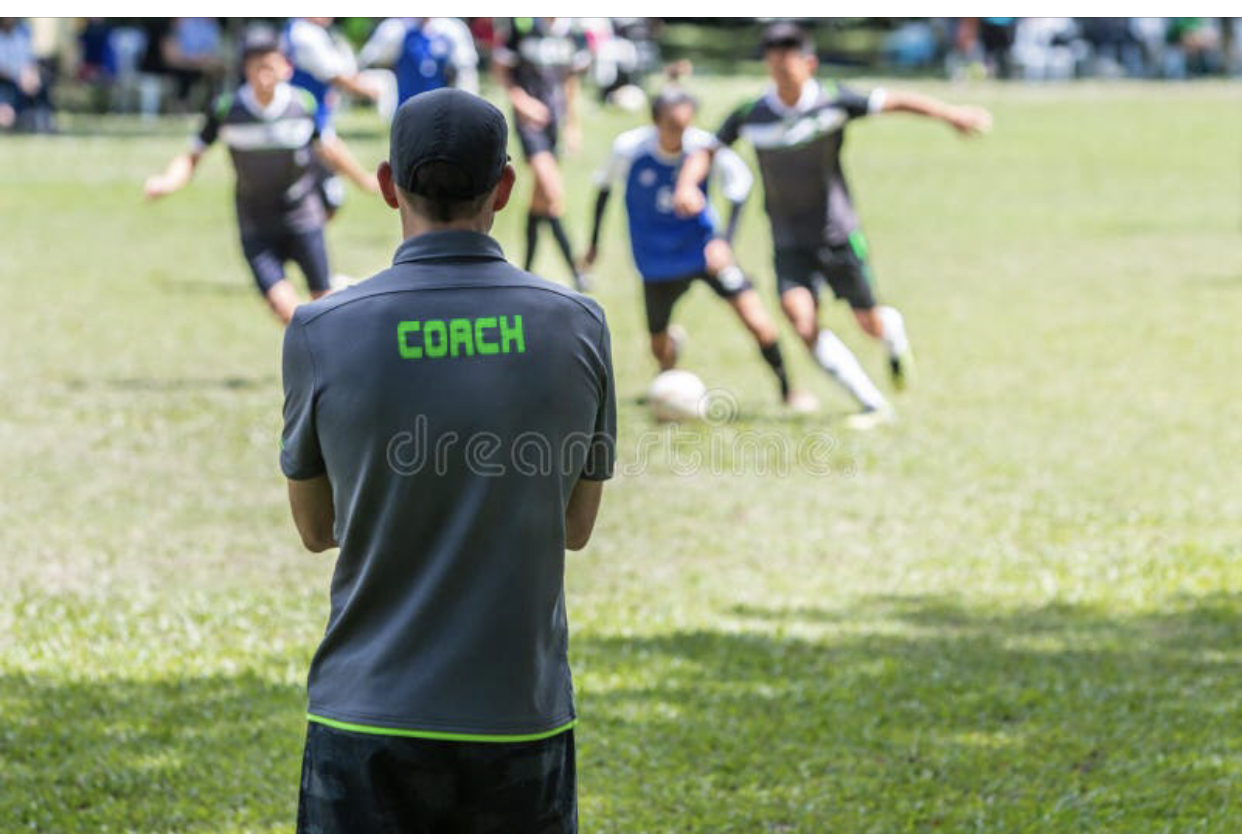
    In this article, I want to discuss one of the key determinants of football ”Coach”

    Who is a football coach

    A Football Coach is a professional who is responsible for leading and developing a football and organizing training to motivate players to achieve their full potential.

    But personal has sabotaged the development of some grassroots footballers through unnecessary pressure on young players.

    The majority of youth coaches have damaged so many talented players through different attitudes or behavior on the game sideline.

    One of the secrets to raising creative footballers isn’t more training but freedom of expression of gifts.

    The research was carried out by two kids with the same level of technical ability.

    One spent their development age in structured sessions, endless drills, a coach controlling every decision.

    The other did that too, but also spent hours on the field or park with mates, training and playing games with fewer instruction and less controlled by a coach.

    Then one, whenever he is playing games, his coaches are on the sideline telling him what to do without giving him chances to express himself, while the other one of his coaches believes in watching him play and making corrections at the end of each halftime.

    Years later, both were technically good. But one had the creative spark, they saw passes others didn’t and made things happen out of nothing.

    Guess which one?

    It was the one who played more in a free environment while growing up.

    A study on how creative players develop found exactly that. The more creative players had built up significantly more hours of informal, unstructured free play in the developmental stage, particularly between the ages of 6 and 14.

    Not involved in too much direction by coaches

    Free play is where children experiment, make their own decisions and solve their own problems, the very things that build creativity.

    Coaches’ personal interests must win, have changed a lot in the developmental stages and those natural free play opportunities have quietly disappeared.

    Which is exactly why it matters so much that coaches should deliberately allow kids to enjoy playing the game before being given instructions.

    Don’t control every decision the kids make, because some of the most important learning happens when they’re left to figure it out themselves.

    For the age grade mentioned above, let less instruction, less pressure and encouraged freedom in their games give us as a coach to discover the special gift of each player remember Rory Delap was known for Long-Throw, Ronaldinho who turned dribbling into an art form, Xavi Hernandez with pass etc

    This isn’t anti-coaching, but we only want to give our best to the development of young people and our country, like my own country, Nigeria. Our youth categories u17 and u 20 performance graphs in the world are coming down.

  • Understand movement in football

    Understand movement in football

    The joy of the game of football is goal scoring, but it is not possible to score a goal without movement and good ball passing, but most coaches spend more time teaching ball passes. Why is it not all about ball passes alone? Some coaches teach rondos to increase movement in football. Now some players can make hundreds of complete passes in Rondos without moving?
    Remember you can drop millions of passes to each without adding meaning to the game if there is no movement either on the ball or off the ball.

    Answer this question by yourself: who is the most dangerous player within player while running and the player without the ball?

    This makes me remember a statement by Lengend Cruyff, who said, “It’s about always thinking. Always moving. If you stand still, you can’t help your teammates or the team.

    What is movement in football?
    Movement in football is the purposeful, off-the-ball movement of players across vertical, horizontal, and diagonal spaces to create passing lanes, exploit gaps in the defense, and support teammates. It is a critical, dynamic action that keeps the game fluid, prevents the team from becoming predictable, and helps break down defensive lines, such as through in-behind runs.

    What does movement do in football?

    Movement improves ball circulation and game flow.
    A team without movement becomes slow, predictable, and easy to press. On the other hand, when all players move based on the ball and their teammates, the game flows, positional advantages emerge, and space opens up to advance forward.

    Direct impact of good off-the-ball movement:

    Multiple passing options during every phase of play.
    Encourages fast, clean ball circulation.
    Reduces pressure from the opponent, by offering constant solutions.
    Creates temporary overloads, through supporting runs.

    Drill for movement

    There are many drills for movement, but let’s just mention a little here.

    Ball possession drills, by making it one- or two-touch.

    High-intensity small-sided games
    2v1 inside a box. This can be done by arranging an 18yard box and certain players are a group of 3 having a ball for each group to play 2v1, making 10 touches, one goal, etc.

    You can search online for movement drills.

    Remember, movement does not just have to be flashing but just has to be smart. It’s just about supporting your teammates to keep possession of life. Thanks

  • Solution to transition face in football

    Solution to transition face in football

    Transition is identified as a few moments when a football team regains or loses possession of the ball.

    Why is transition important in football ?
    The transitions are important in football because they helps dictate the flow of a game and the battle for control.

    What is an attacking transition?

    An attacking transition is the actions taken by a team who immediately regain possession of football.

    What is a defensive transition?
    A defensive transition this moment a team loses possession of the ball and switches to a defensive shape.

    A successful team must be capable of quickly moving from defense to attack, taking advantage of the opposing team’s mistakes to create scoring opportunities and as a team who lose the ball, they must be capable of quickly moving from attack to defense to be able to
    Protecting opponents from scoring them.

    In the game of football, the offensive transitions are a key aspect of the modern football game because it determines the beauty of the game.

    For a well organized team to carry out these tasks there are certain principles that need to follow.

    Below are the key principles of effective transitions

    attacking transitions.

    Creating space (height and width): Wingers and/or the central striker(s) making runs in behind or into space outside the defending team’s shape, to provide forward options for the deeper ball player to play into.

    Speed: Transitioning from a compact defensive structure to an expansive attacking shape as quickly as possible, ensuring that any passes or runs made in these moments are at speed.

    Penetration: Playing forwards at the earliest opportunity into the highest possible line, penetrating through the opposition’s defensive lines.

    Support: Deeper players support with forward runs once attacking transitions have begun, to maintain momentum and ensure there are available follow-up options after playing forwards.

    For all this to be achievable, you work on this below tasks

    Speed ​​and strength training
    Ball possession drills

    Passing drills
    finishing drills
    vision training

    Defending transitions

    A recovery is recorded at the point where the player of the team begins to get possession of touches the ball after lost ball.

    Pressure is situations which players move quickly to limit the options of the opponent in possession of the ball. The goal is to force the ball carrier to make a quick decision, possibly leading to a mistake, a poor pass, or losing possession.

    Communication, which is a tactical tool that allows players to coordinate movements, anticipate situations, correct mistakes, and reinforce team confidence. A goalkeeper has a great role to play in the transition process, mostly in defensive transition, with very good communication to arrange defense.

    Compact, which is a method of focusing on limiting the space for the attacking team, especially when the ball is just lost.
    Awareness by knowing where your teammates are, where the opponent is, where the goal pole is so that you can identify what you are trying to protect

    Scanning. As a good player, you need to scan very well when your team is in possession of the ball so that you have the right options to do when you lose possession.

    For all this to be achievable, you work on this below tasks

    Recovery exercises
    Pressure exercises
    communication exercises
    Physical exercise
    Awareness training

  • Did butter, palm and vegetable oil affect the athlete ?

    Did butter, palm and vegetable oil affect the athlete ?

    Did butter, palm and vegetable oil affect the Athlete ?

     Yes, butter, vegetable and palm oil can affect athletics because it is not properly regulated in food consumption.

     Why did I need to talk about these two things? I have seen so many athletes who want to cook food just because they have it available they will add it to excess.

    Naturally, palm oil increases levels of low-density lipoprotein (LDL or “bad”) cholesterol.

    And vegetable oils in their natural form, don’t have sufficient oxidative balance, which increases the risk of obesity, heart disease, and high cholesterol levels.

    This might be a problem for people who have high cholesterol by nature, despite their physical fitness. While exercise can improve cholesterol levels, some athletes have high cholesterol due to genetics. Diets like high-fat, low-carb diets which vegetables and palm oil are part of the contributors.

    I am not saying athletes should not eat food or use vegetables or palm oil, but they need to be regulated.

     .Cholesterol is a waxy, fat-like substance that is essential for body functions, such as building cell walls, making hormones, and producing vitamin D. Your liver makes all the cholesterol you need, and you also get it from foods of animal origin. Too much cholesterol in the blood can be harmful, as it can build up on artery walls to form plaque, blocking blood flow and increasing the risk of heart disease and stroke.

    What are the worst foods for high cholesterol?

    The worst foods for high cholesterol, given their high saturated fat content, include:

    • Red meat, like beef, pork, and lamb, as well as processed meats like sausage.
    • Full-fat dairy, like cream, whole milk, and butter.
    • Baked goods and sweets.
    • Fried foods.
    • Tropical oils such as palm oil and coconut oil.

    How does high cholesterol affect athletes?

    However, the CDC notes that large-scale population studies confirm that high blood cholesterol raises the risk of heart disease and stroke. Sudden cardiac death (SCD) is the most common medical cause of sudden death in athletes. A 2016 study estimates it occurs in between 1 in 40,000 and 1 in 80,000 athletes per year.

  • How to become a super athlete

    How to become a super athlete

    If you really want to become a successful athlete, one must have the below and answer the questions below.

    1. Self-Confidence
    An athlete who aspires to greatness must be self-confident and truly believe that they will be great and also have the confidence that a good deal will come.

    2. Motivation
    An athlete aspires to good most inner motivation through the desire to be better than anybody and be patient and persevere when working on their skills and focusing on their goals.

    3. Self-Discipline
    An athlete who aspires to success must have self-discipline. Most put in early morning training sessions without a coach in their bed to sacrifice their social activities in exchange for their greatness.

    4. Optimism
    An athlete who lacks an optimistic attitude isn’t likely to fully excel because an athlete who aspires to greatness must have a positive mindset of success even when facing challenges.

    5. Acceptance of Criticism
    As an athlete who aspires to be good, you must accept criticism too.
    Constructive or unconsecutive from support, coaches or brother areas in other ways to improve.

    6 Focus
    An athlete who wants to be well recognised and successful must be able to focus on their goals and make friends with those that have the same goals.

    7 Competitive Spirit
    Successful athletes enjoy winning, and it is likely that they will be competitive even in areas outside their sport.

    8 Passion
    An athlete who wants to become great must be passionate about their sport, i.e, will eat, sleep, and breathe their sport.

    9 Humility
    An athlete who aspires to be great has good humility by staying humble even when they make a mistake. They acknowledge and accept it rather than trying to make excuses.

    10 leadership
    Good and successful are the types of athletes who have leadership qualities ready to take roles they These types of athletes understand the importance of their character and how it will go beyond their sport and into everyday life.

    11 Most have idols: as athletes who aspire to greatness, most have somebody who is looking into them to be like. Like in football, someone may like to play like Messi or Ronaldo.

    The seven favourite questions a coach needs to ask players:

    What do you want to happen / how can you have this happen?

    What is under your control?

    What are your thoughts, and what are you thinking?

    What is the real challenge?

    Who are you when you are at your best?

    What is stopping you?

    What else?

  • As a coach, what should I check?

    As a coach, what should I check?

    All over the world now, everybody starts jumping into coaching jobs once they get access to a whistle and little place to gather athletes for training in which that has had bad effects on our athletes’ performance, mostly in Africa, although in Africa we don’t have enough equipment, but bad coaching is told in our out put.

    Firstly, let me quickly run than to the types of coach we have.

    Career coach

    Career coaches are types of coaches that help athletes identify their professional goals and make the best career decisions for their lifestyle.

    Life or personal coach

    They are types of coaches who help athletes clarify their priorities. I.e. identify a particular area the athletes are good at and improve their skills . Let me use football as example, some players have strong strength is long throwing etc. as life or personal coach take time to study that.

    Business coaches
    A business coach is a set of coaches who run their coaching team on the mission and vision of their daily income, which I see is common in my own country, Nigeria.

    Performance coaches are the set of coaches who help athletes better understand the requirements of their chosen careers, which are sports ethics and discipline.

    As a coach, you need to look into your coaching and identify the type of coach you are whether it is a bad or good coach.

    Qualities of a good coach
    Honesty : tell them the hard truth in any condition and let your yes be yes and your now be no

    Strong Communication :The ability to convey ideas clearly and concisely, provide .

    Active listening requires you to listen attentively to a speaker, understand what they’re saying, respond and reflect on what’s being said, and retain them.

    Knowing the athlete by understanding their athletes’ emotions, strengths, and the ins-and-outs of their development.

    Commitment to the job and each of the athletes, going beyond coaching but being supportive.

    Knowledge of a good coach most good knowledge of the job and every athlete is different. One athlete may love physical while another needs more.

    Motivation skills :great coach is one who can help motivate and inspire their athletes.

    Be positive: A positive attitude is not about hiding the ugly truth or always smiling. It’s about showing your client .etc

    What are the qualities of a bad coach?

    Bad coaches provide more criticism than positive feedback.

    A sole focus on winning.
    Chooses favourites.

    Pressures players to play when injured.

    Does not listen to athlete feedback.

    Denying athletes water breaks

    Repeatedly belittling them.

  • Football Tackling

    Football Tackling

    Introduction

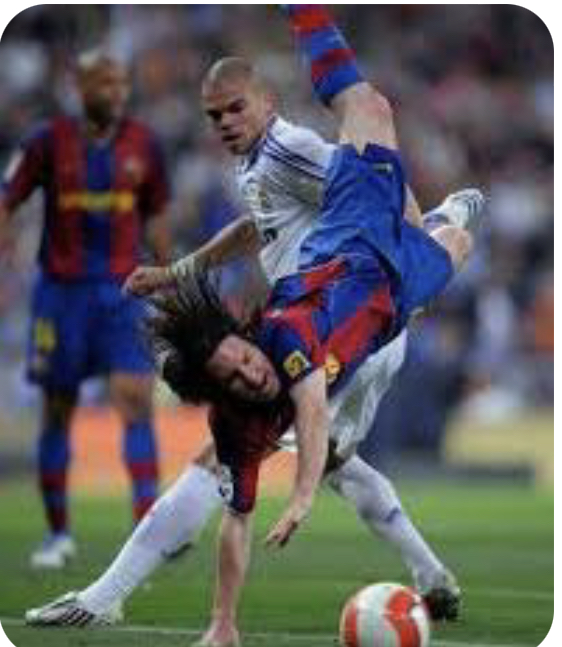
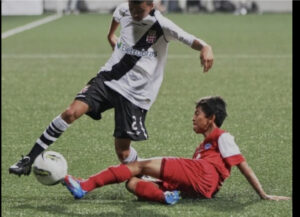
    The primary purposes of tackling are to dispossess an opponent of the ball, to stop the player from gaining ground towards goal or to stop them from carrying out what they intend.

    What is tackling

    Tackling is trying to take the ball from a player in the other team, or
    To dispossess an opponent of the ball and to stop the player from gaining ground towards goal or to stop them from carrying out what they intend. Remember a tackle is a beautiful display of technique, skill, and controlled aggression. Just master your player’s tackling to improve your standards.

    Types of tackling

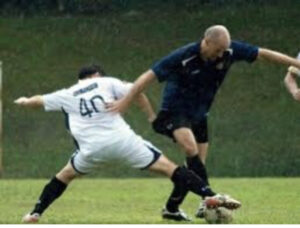
    Block Tackle is a standing/block tackle. As its name implies, it is one where you remain on your feet.

    Side Block Tackle is a tackle that is used when the opponent is in full flight or has managed to move past you, resulting in you no longer facing him directly.

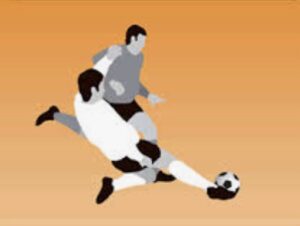
    Sliding Tackle is a type of tackle in which a player slides along the ground with one leg stretched out in order to push the ball away from the opposing player.

    Principle of tackling

    According to the definition of basic football skills, the core point of tackle should be to use your feet or legs to control, pass or destroy or intercept the ball that is about to be received by the opponent. However, tackle passes and tackles are not meant to disrupt the movement of the ball.

    What are the key elements of a good tackle?

    Shorten steps and stay balanced on your toes.

    Get lead (front leg) forward. …
    stability.

    Place the lead leg close to the attacker – this creates “aggressive go forward” tackling.

    Same leg, same shoulder.
    Create shoulder contact as soon as possible.


    Hit low and depower by picking up a leg if possible.

    What are the skills of the tackling in football?

    The association football block tackle
    Close down your opponent quickly but do not rush uncontrolled at them.

    Try to reduce any space around you and monitor for passing options.

    Stay on the balls of your feet, arms slightly out to jockey your opponent.

    Keep your eye on the ball and wait for a clear view of the ball.

    What are the three most common tackle types in football?

    The Form Tackle, the Thigh & Drive Tackle, and the Thigh & Roll Tackle.

    What you should master to improve your tackling immensely.

    Eyes — Your eyes should concentrate on the numbers of the ball carrier. …
    Contact Point — This is the part of your body that makes the initial contact with the ball carrier. …
    Shoulders parallel — your shoulders should be parallel when you gather to tackle.

  • How to become a  professional Athlete ?

    How to become a professional Athlete ?

    I use football as a case study because football is the most popular sport in the world. Like every other sport, it is primarily for entertainment purposes. But football has done more than entertain us. Football has eased tensions that everything has failed to ease, as it is greater than hate, ego, and disagreement. The magic of the World Cup alone cannot be matched by any other sport.

    Who is a footballer?
    This is a person who plays soccer.

    Who is called a professional footballer?

    It is a person who plays football, especially as a profession, and they receive payment for their work. Also, their wage is enough for them to live on, and they do not require another job to subsidize their income.

    to be become a professional footballer there are certain things which are involved.
    Which are
    1) Passion: This is the critical aspect of the journey. The reason is that the majority of the youth are not too passionate about the game. What they think of is money. Ronaldo, Messi and Modric etc. get paid every week, not finding joy in what they are doing.if you really want to become a professional footballer, you need to be more passionate about the game.

    2) start young: To be honest with ourselves, people learn better at earlier stages. Even at education level, they have elementary stages. For football, the best age to start is between 4 -6 years old.


    Early exposure to football can set children on a path to success.

    3)Join a good club:

    the world good club because the majority of Africans are still struggling for qualified coaches where basics are well thought of and where children’s development will be channeled on developing their technical abilities and shaping their character and life skills.

    4)Motivation and dedication: As a footballer you need to have intrinsic. This is motivation that drives you to do something for its own sake, not because of external rewards like money or praise.
    Dedicate by committing to a task or purpose in the training and off the training.

    5)Keep working hard :

    going above and beyond your usual effort to achieve a higher level of success. As a footballer who aspires to be great, you need to work. Team training is not enough.

    6)Practice Regularly :

    if you keep on trying or practicing something, you will get better at it. Make sure you train every day for a particular skill.

    7)Eat healthily:

    it means eating a balanced diet that is a variety of nutritious foods and drinks and getting the number of calories that’s right for you (not eating too much or too little). Which the food you eat.like you need to increase height, and you are eating too many carbohydrates.

    8)Perfect your skill:

    As a footballer you will have a unique gift that makes you different from others. Let’s take a look at Long-Throw Specialist Rory Delap. We’ll know with them discover yours today and perfect it.

    9)Devote yourself to game:this is done by doing fellow in the game
    a)Focus only on the role
    b) Take full control of your confidence level before the start.
    c)Rehearse your performance and game plan.
    d)Prepare your mind and body to trust your skills.
    e)Trust in the skills you have trained in practice. This is where I have issues with some players. They will not practice free kicks or certain skills in training, but getting to match they want excited it exciting.

    10)Always find yourself in a moving thread: as a player you need to be in an environment that is suitable for all-round personal development. I always wondered why footballers keep friends who love much enjoyment going to club etc.

    11)Competing in tournaments : As a footballer who aspires to be a professional, go to each tournament to register yourself by playing very well to be more successful than someone or something else in the tournament.

    12)Understanding the game: this is done by understanding
    a)The object of the game is to move the ball up the pitch and beyond the goal line of your opponent’s goal.

    b) a game involving two teams of 11 players who try to maneuver the ball into the other team’s goal without using their hands or arms.

    c) The football field is divided into different parts.

    d) Rules of the game.

    13) Search opportunities : always looking for an appropriate or favorable time or occasion to exchange your talents for success by participating in trials.

    14) Record your game :

    As footballers that aspire to great success, do videos for each game, even training, and always upload them on social media.

    15)Physical fitness:

    your anatomy and physiology of your body must show you readiness and physical attributes such as speed, agility, strength, and endurance are critical components of football performance. Players who develop these attributes can elevate their game and make significant contributions to their teams and life.

    16) Create a football CV:

    this is a key document that showcases your skills, experience, and achievements in the sport. It serves as a way for clubs, scouts, and agents to assess your potential.

    17) Look for scholarships: by finding financial support awarded to help your career to move faster but remember level of playing determines.

    18)must have idols.

    I mean person you follow his style of play. Like Mo Salah named Ronaldo, Zinedine Zidane and Francesco Totti as his childhood idols.
    Messi named Pablo Aimar and Diego Maradona as his idols.

    19) work  on your Football IQ: a player’s intelligence related to analyzing opposing defenses quickly and good in-game decision-making make you a professional.

    20)Watch different matches:


    As a player, you need to watch different matches without interest in the team or betting purposes, but to learn from professionals.

    21) Set a goal for yourself :by writing down active steps to achieve your desired outcome. If one of your goals is to play in the top European league yet to be achieved, try to start with the local league. Most great starts, start in their local league. Cristiano Ronaldo start from Sporting Lisbon.

    In conclusion, there are joys in being a professional footballer because it helps breach the gap between the poor and the rich, but if these above attributes is going to be achieved one needs to show less concerned about what people are saying because “Uneasy lies the head that wears a crown”and write this four things in the wall of your room

    💪 Stay focused.
    🔥 Train harder.
    ⚽ Play smarter.
    🌍 Inspire others.