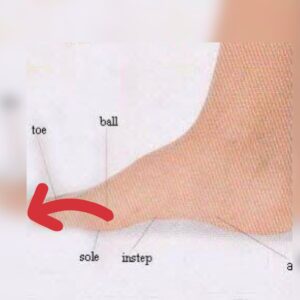
In football, the very first moment you make contact with the ball often decides what happens next. Before you can pass, dribble, or shoot, you have to control the ball — and that single act of control, your first touch, quietly shapes the entire play. A clean first touch buys you time and space; a heavy or careless one hands the initiative straight to your opponent. At every level, from grassroots academies to the biggest stages in the game, the best players are almost always the ones with the most reliable first touch.

What “First Touch” Really Means
First touch is the initial contact a player makes to receive and control a moving ball, whether it arrives along the ground, through the air, or off a rebound. A good first touch does more than simply stop the ball — it directs it. It sets the ball into the exact position the player wants for their next action, so that passing, turning, or shooting becomes a smooth continuation rather than a scramble. In short, the first touch is not a separate skill you use before playing; it is the foundation the rest of your play is built on.
Why First Touch Is So Important
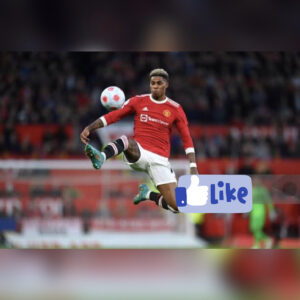
A well-executed first touch improves a player in several connected ways. It helps you maintain possession under pressure, because the ball is quickly under control and shielded from defenders. It increases your speed of play, since a good touch moves the ball into your stride and removes wasted seconds. It also expands your options: with the ball settled and your head up, you can pick the right pass, drive forward on the dribble, or strike at goal.
Just as importantly, first touch communicates confidence. A player who consistently takes the ball cleanly looks composed and in command, while a poor first touch invites pressure and forces rushed decisions. Coaches often judge a young player’s potential by watching how calmly they receive the ball, long before they look at anything flashy.
The Technical Details Coaches Look For
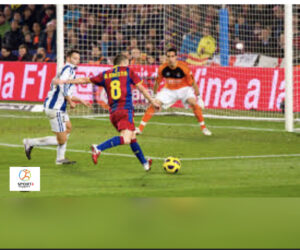
Good first touch is built on a few repeatable habits. Scan before you receive: check your shoulders so you already know where teammates and opponents are. Get your body in line with the ball and stay on the balls of your feet, ready to adjust. Choose the right surface — the inside of the foot for control, the outside to shift direction quickly, the thigh or chest for balls dropping from height. Finally, “cushion” the ball by relaxing the contact surface and drawing it slightly back on impact, so the ball dies close to you instead of bouncing away.
Where you push the ball matters as much as how cleanly you stop it. A directional first touch — taking the ball into space, away from the nearest defender and towards your intended next move — turns a simple reception into an attacking advantage.
Practical Drills to Improve Your First Touch
First touch improves fastest through high-repetition practice. Try these:
- Wall passing: Play the ball against a wall and control the rebound with one touch, then return it with the next. Vary the pace and switch feet.
- Ball juggling: Juggle with feet, thighs, and chest to sharpen your feel for the ball and your soft-contact control.
- Lofted passes in pairs: Chip the ball to a partner who must control it out of the air in one touch before returning it.
- Receive-and-turn: A partner passes in; take one directional touch to turn 90 or 180 degrees and play forward, simulating real match pressure.
- Two-touch small-sided games: Limit yourself to two touches in a small game so every reception forces a quick, purposeful first touch.
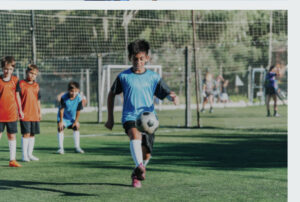
Practising these basics regularly, on both feet, builds the muscle memory that makes a good first touch automatic in a match.
Conclusion
First touch is one of the most underrated skills in football, yet it influences almost everything a player does with the ball. It protects possession, speeds up play, opens up options, and projects composure. The encouraging part is that it is a trainable skill — no player is born with a perfect touch. With consistent, focused practice on control, body position, and directional touches, players at every level can turn their first touch into a genuine weapon and set the tone for everything that follows.