Development

Football drills, fitness, and player development tips.

  • How to become a  professional Athlete ?

    How to become a professional Athlete ?

    I use football as a case study because football is the most popular sport in the world. Like every other sport, it is primarily for entertainment purposes. But football has done more than entertain us. Football has eased tensions that everything has failed to ease, as it is greater than hate, ego, and disagreement. The magic of the World Cup alone cannot be matched by any other sport.

    Who is a footballer?
    This is a person who plays soccer.

    Who is called a professional footballer?

    It is a person who plays football, especially as a profession, and they receive payment for their work. Also, their wage is enough for them to live on, and they do not require another job to subsidize their income.

    to be become a professional footballer there are certain things which are involved.
    Which are
    1) Passion: This is the critical aspect of the journey. The reason is that the majority of the youth are not too passionate about the game. What they think of is money. Ronaldo, Messi and Modric etc. get paid every week, not finding joy in what they are doing.if you really want to become a professional footballer, you need to be more passionate about the game.

    2) start young: To be honest with ourselves, people learn better at earlier stages. Even at education level, they have elementary stages. For football, the best age to start is between 4 -6 years old.
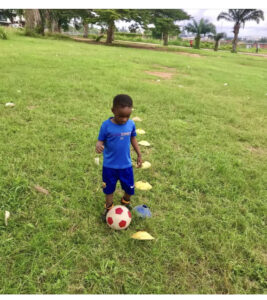

    Early exposure to football can set children on a path to success.

    3)Join a good club:
    the world good club because the majority of Africans are still struggling for qualified coaches where basics are well thought of and where children’s development will be channeled on developing their technical abilities and shaping their character and life skills.

    4)Motivation and dedication: As a footballer you need to have intrinsic. This is motivation that drives you to do something for its own sake, not because of external rewards like money or praise.
    Dedicate by committing to a task or purpose in the training and off the training.

    5)Keep working hard :
    going above and beyond your usual effort to achieve a higher level of success. As a footballer who aspires to be great, you need to work. Team training is not enough.

    6)Practice Regularly :

    if you keep on trying or practicing something, you will get better at it. Make sure you train every day for a particular skill.

    7)Eat healthily:

    it means eating a balanced diet that is a variety of nutritious foods and drinks and getting the number of calories that’s right for you (not eating too much or too little). Which the food you eat.like you need to increase height, and you are eating too many carbohydrates.

    8)Perfect your skill:

    As a footballer you will have a unique gift that makes you different from others. Let’s take a look at Long-Throw Specialist Rory Delap. We’ll know with them discover yours today and perfect it.

    9)Devote yourself to game:this is done by doing fellow in the game
    a)Focus only on the role
    b) Take full control of your confidence level before the start.
    c)Rehearse your performance and game plan.
    d)Prepare your mind and body to trust your skills.
    e)Trust in the skills you have trained in practice. This is where I have issues with some players. They will not practice free kicks or certain skills in training, but getting to match they want excited it exciting.

    10)Always find yourself in a moving thread: as a player you need to be in an environment that is suitable for all-round personal development. I always wondered why footballers keep friends who love much enjoyment going to club etc.

    11)Competing in tournaments : As a footballer who aspires to be a professional, go to each tournament to register yourself by playing very well to be more successful than someone or something else in the tournament.

    12)Understanding the game: this is done by understanding
    a)The object of the game is to move the ball up the pitch and beyond the goal line of your opponent’s goal.

    b) a game involving two teams of 11 players who try to maneuver the ball into the other team’s goal without using their hands or arms.

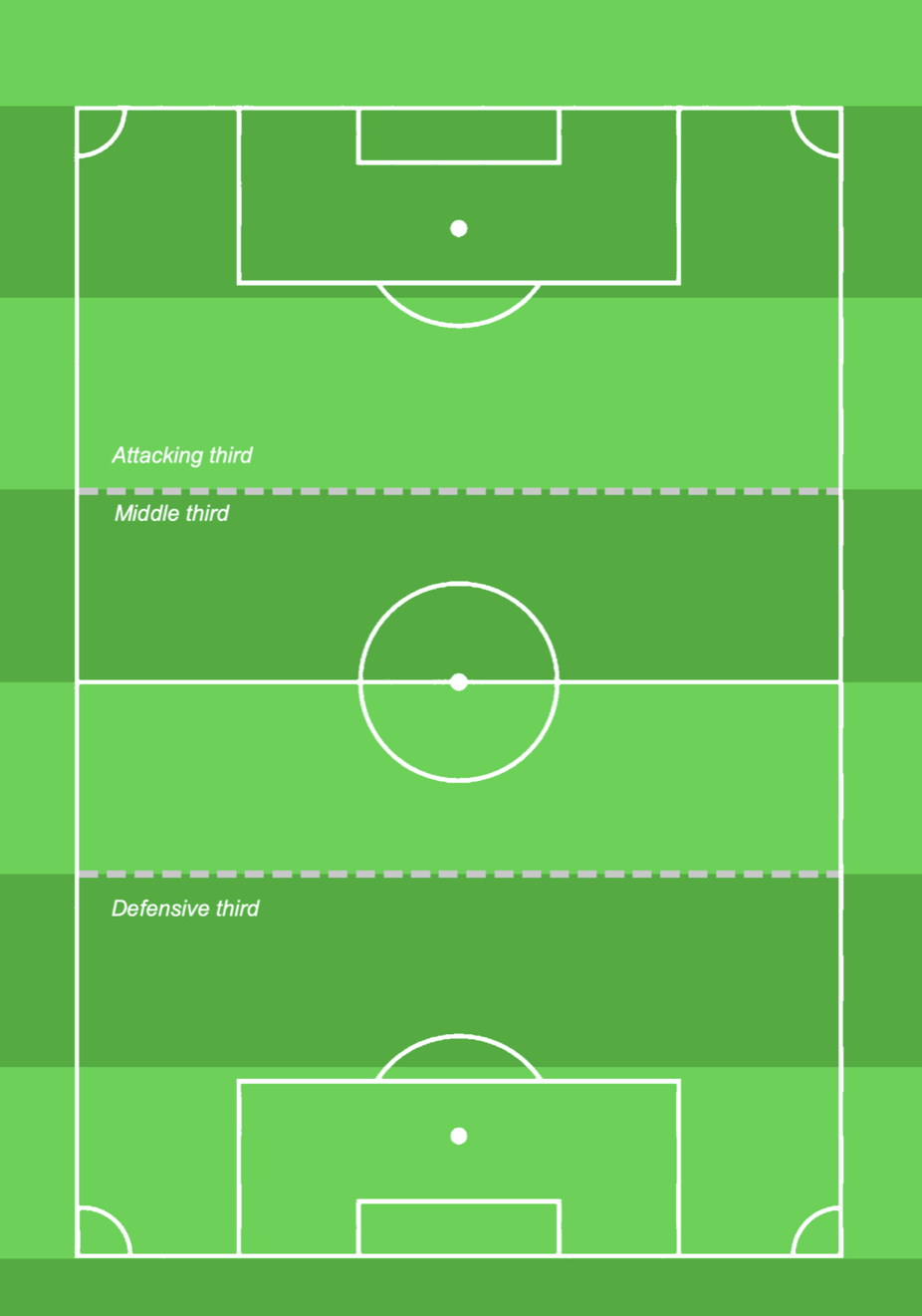
    c) The football field is divided into different parts.

    d) Rules of the game.

    13) Search opportunities : always looking for an appropriate or favorable time or occasion to exchange your talents for success by participating in trials.

    14) Record your game :
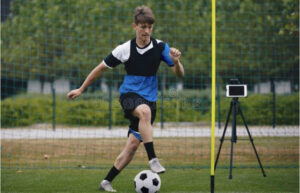
    As footballers that aspire to great success, do videos for each game, even training, and always upload them on social media.

    15)Physical fitness:

    your anatomy and physiology of your body must show you readiness and physical attributes such as speed, agility, strength, and endurance are critical components of football performance. Players who develop these attributes can elevate their game and make significant contributions to their teams and life.

    16) Create a football CV:
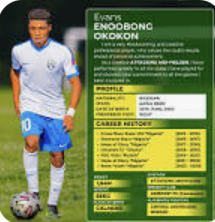
    this is a key document that showcases your skills, experience, and achievements in the sport. It serves as a way for clubs, scouts, and agents to assess your potential.

    17) Look for scholarships: by finding financial support awarded to help your career to move faster but remember level of playing determines.

    18)must have idols.

    I mean person you follow his style of play. Like Mo Salah named Ronaldo, Zinedine Zidane and Francesco Totti as his childhood idols.
    Messi named Pablo Aimar and Diego Maradona as his idols.

    19) work  on your Football IQ: a player’s intelligence related to analyzing opposing defenses quickly and good in-game decision-making make you a professional.

    20)Watch different matches:

    As a player, you need to watch different matches without interest in the team or betting purposes, but to learn from professionals.

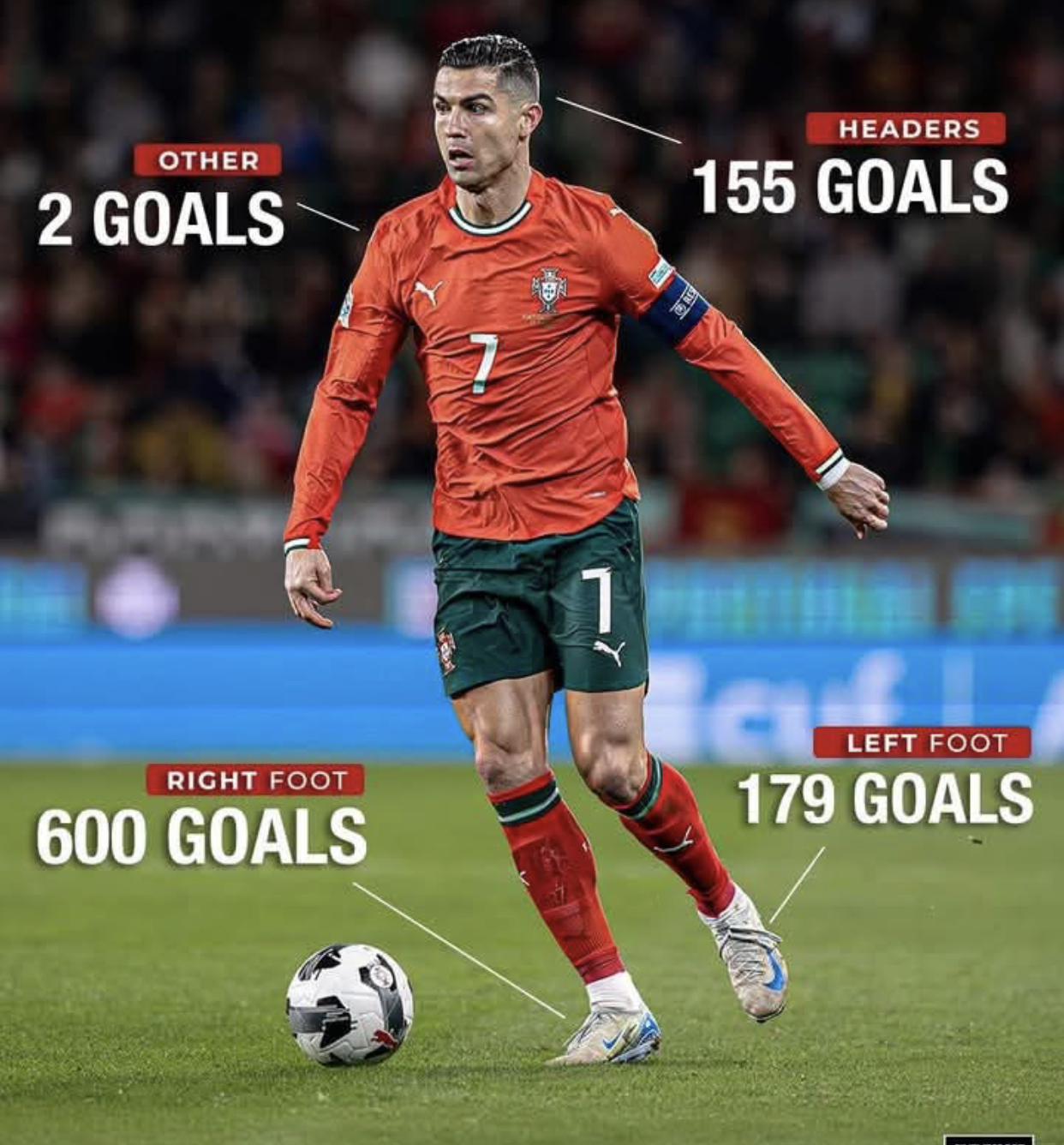
    21) Set a goal for yourself :by writing down active steps to achieve your desired outcome. If one of your goals is to play in the top European league yet to be achieved, try to start with the local league. Most great starts, start in their local league. Cristiano Ronaldo start from Sporting Lisbon.

    In conclusion, there are joys in being a professional footballer because it helps breach the gap between the poor and the rich, but if these above attributes is going to be achieved one needs to show less concerned about what people are saying because “Uneasy lies the head that wears a crown”and write this four things in the wall of your room

    💪 Stay focused.
    🔥 Train harder.
    ⚽ Play smarter.
    🌍 Inspire others.
  • Techniques for shooting in football

    Techniques for shooting in football

    What is shooting in football ?
    Shooting is hitting the ball in an attempt to score a goal. This can be done using the feet or head. The shot can be either on target or shot on goal.
    Basics skills in shooting
    Lock ankle while shooting
    Laying on the ball

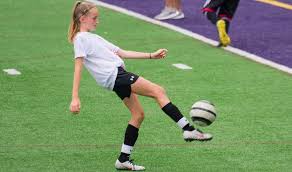
    Hit the ball with the top of your foot, also known as your laces.

    As you kick, lock your ankle to create power through your striking foot.
    What skills do you need to shoot in football?
    Power is everything in football shooting.
    But, while power is important, it shouldn’t be prioritized over accuracy, as these are both equally important skills to brush up on. Going hand-in-hand, focussing on improving your accuracy, and then building power and strength, is the best way to approach a winning shot.
    How to Train for power.
    If you really want to train for power, you need training for your hamstrings, glutes, rectus abdominis and erector spinae. To achieve this, the Split Squat will help you power up your shot.
    The split squat exercise can be done by positioning your legs in this direction in the picture and moving up and down.

    Watch the short video to perfectly understand


    Joggling a ball with one leg without allowing your leg to touch the ground is also a great exercise for increasing the power of shooting.

    Types of shooting in football

    volleys
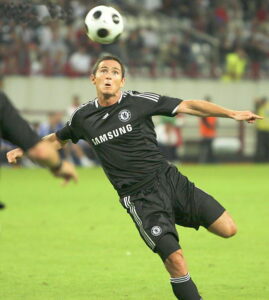
    Volleyball is an air-borne strike in association football, where a player’s foot meets and directs the ball in an angled direction before it has time to reach the ground.

    Half volleys
    A half volley is also commonly used, which is when the ball is kicked immediately after it hits the ground.

    bending shots
    Bending is when you use your kick to put spin on the ball and control the direction of your strike by making it curve through the air.
    headers


    Heading is a common technique used by players to shoot to goal in football.


    What is the preparation phase of shooting in football?
    Pushing the ball out in front of you about a metre so that you can take a few steps before planting your foot and shooting. Remember to point your supporting foot in the direction you’re aiming the ball.

  • Tasks of a football coach

    Tasks of a football coach


    The task of a football coach is what you expect to offer to team and individual players as coach, which are

    Plan and run coaching sessions.
    Work on game tactics.

    Give feedback on performance and fitness, and set targets.
    Offers guidance on nutrition and injury prevention.

    Keep up to date with good coaching practice.

    Motivate players to develop a positive mental attitude, confidence and self-discipline

    Coaching Game : on match day

    Pre-game : that is before the match by passing instructions on what you are expecting from each player and team.

    The Game : this is the during-match information that you pass and should be what you ask them to do in the match.
    Leading the team : all teams and coaches have a positive culture. In all your training, everything must go along with your team culture. It may be Tik-taka or total football etc.

    Post-game : After match discussion but not immediately after the match but in training to review all they did in the match.

    Managing Team : The Performance Environment. I mean anything that influences your job, either controllable or non-controllable.

    (2)
    Before the game in the training session.
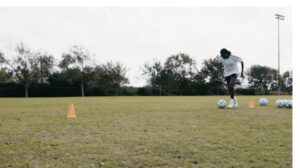
    Organize: A good coach must be well organized. The coach arranges your cones before the player comes in and each session with an appropriate number of players on a specific area of the field and introduces your training by using a clear voice and demonstration.

    Variety: A good coach must be creative because your training needs to be different between days and always avoid dull moments.

    Correction: Coach should understand when, how and what to correct by freezing or stopping the game with practical experience. Also, your corrections should be based on training objectives with positive reinforcement and encouragement in your corrections.

    Commutation: In your communication you are expected to use catch words like press, keep it, drop, split, pass, cover, and wide etc.

    Conclusion
    The method of coaching will always demand the terms load and dimension. That is interesting (much). Duration (how long), extent (how far) and interval (recovery).

  • How to structure your training in football

    How to structure your training in football

    As a coach, your football training structure tells you more about your standard.

    What is the meaning of training in football?
    Football training entails the sum of all activities that prospective football players perform with the goal of developing their overall athletic ability and the skills necessary to play football against elite opposition.

    What is the training plan for football?
    A training plan in football is a structured plan that specifies the training content and methods for a specific period of time. The aim is to systematically improve the physical, technical, tactical and mental skills of the players.
    How to plan a football training session?
    How to plan a training session in line with intended outcomes
    Think about the developmental needs of your players. …
    Prepare to explain to players why they’re doing each activity so they understand how it benefits them and the team.
    Prioritize repetition. …
    Be prepared for unintended outcomes.
    How to write a training session plan?

    Step 1: Set Learning Objectives. …
    Step 2: Use a Framework. …
    Step 3: Create an Opening Section. …
    Step 4: Structure the Agenda. …
    Step 5: Include Multiple Learning Styles. …
    Step 6: Pay Attention to Closing and Follow-up. …
    Step 7: Prepare Training Materials. …
    Step 8: Share Your Plan.

    It is very good to have all the knowledge mentioned above, but as a coach or team member you must structure all the training alongside these four pillars.

    Physiological: This has to do with fitness, stamina, flexibility etc. with the anatomy and physiological structure of the players.

    Physical fitness is generally achieved through proper nutrition, [1] moderate-vigorous physical exercise, [2] and sufficient rest along with a formal recovery plan[3].

    Psychological. This is the area of footballers training which focuses more on players’ confidence, interrelation of social influences ,individual thought,
    reflecting more effectively after a match and behavior encompassing elements like stress, social support and mental health.
    Intellectual : the aspect of training that teach each player how to use their brain to be creativity and have ability to recognise and serve the most threatening off-ball movement.
    There are two major key elements in intellectual are game intelligence and match analysis.

    Game Intelligence allows both player and coaches to evaluate the overall performance and decision-making of each player .

    Analysis :Each of player most be able analyzing match to examine the actions performed during a match, and may concern one’s team or the opponent, or even a single athlete to know strength of opponent, system , tactics and strategies which opponents used.

    1. Technique is the body’s mechanical execution to affect the ball; for example ball control,passing and receiving shooting ,dribbling , footwork ,heading,tacking,shooting,throwing,chesting trapping and running with ball.
  • Football Strategies

    Football Strategies

    A strategy is the general plan you have to beat your opponents, or
    The roles and instructions each player is given before the game.
    The instructions might be on how you want each individual or group to be played in the defense, midfield and attack that guide your phases of football?
    Are “In Possession,” “Out of Possession,” “Defensive Transitions,” and “Attacking Transitions.”
    Like in defense line, you want your defenders to maintain zonal marking.

    What is zonal marking?

    Zonal marking is a defensive strategy in which teams prioritize controlling and defending spaces rather than matching the opposition player for player.

    Set limitations for central midfielders
    Set limitations for full back either to support the attack or not.

    Or ask a particular fullback to support the attack.

    In processing of attacking transmission when a certain player has the ball, who should move.

    Player arrangements in the field, such as in movement in field, triangle, should be formed etc

    Set movements pattern

    Football movement is more than just running with the ball. It involves smart positioning, making passing lanes, and using space to gain an edge over the opponent. Whether you are an attacker trying to score or a defender trying to stop attacks, knowing how to move is very important.

    As a coach always tells your player to move without doing a lot of good to the game.

    Here are some key movement patterns often observed in top footballers:

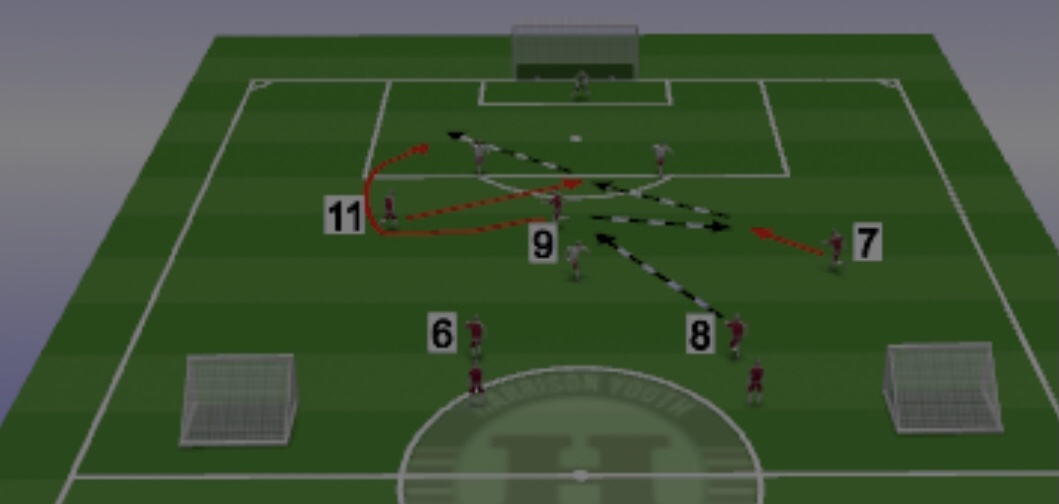
    Overlapping Runs

    Full-backs surging forward to provide width and create passing options on the flanks.

    Diagonal Runs

    Midfielders or forwards making runs from deep positions towards the box, often timed with a through pass.

    Channel Runs

    Attackers exploit the space between center-backs and full-backs, aiming to get in behind the defensive line.

    Third-Man Runs

    A player times their run to latch onto a deflected or loose ball, often overlooked by defenders focused on the initial duel.

    Dummy Runs

    A deceptive movement designed to draw defenders away from the ball, creating space for a teammate.

    Decoy run
    What is a decoy run in football?
    Decoy run – A run made by a member of the attacking team, intended to draw a defender toward the runner (and away from the ball handler), creating more space and opportunity for the intended attack.

    Inter-change run
    Interchanging of running between the attackers when the ball is coming from a certain side to deceive opponents.

    They are many strategies in football, but it depends on the coaches’ creativity and understanding. Please, as coach let’s try to watch different matches to analysis the game let just bet only.

  • Football Tactics Break Down

    Football Tactics Break Down

    Tactics are what create a playing system that links a team’s formation to a particular style of play (such as attacking or counterattacking, slow or quick tempo, short or long passing, teamwork or individualistic play).
    As a coach, he creates a playing system that links a team’s formation to a particular style of play.

    Before proceeding, let’s quickly talk about four 4 phases of football, which are
    “In Possession,” that is when your team has the ball. What are you expecting your players to do ‘’Out of Possession,” That is, when you lose possession of the ball to the opponents, what are you expecting your players to do ‘’Defensive Transitions?” is how you react in a defensive shape and “Attacking Transitions.” How your team plans to move to score goals.

    This is what Tactics provided answers for.

    Defending tactics
    They are the way you want your team to defend to avoid opponents scoring your team, which are

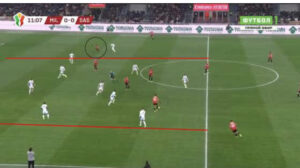
    Park The Bus: This method of defending without trying to attack, with almost all the players in the team staying deep inside their own half of the pitch. This tactic was made famous by José Mourinho.

    Low block: this act which team act when their out-of-possession strategy and the majority of team players quickly rush to the defensive third of the pitch to wait for opponents to focus on protecting the defensive third of the pitch.

    Middle block: this is a defensive method in which all players drop into the middle third of the pitch whilst trying to prevent the opposition from playing between or beyond them.

    High press: This is a way of defending where players without the ball apply intense pressure on opponents, usually in the opposing team’s half immediately after the team lost the to get it back.

    Cautiously controlled. This is the style of defending by Italy.

    Attacking Tactics

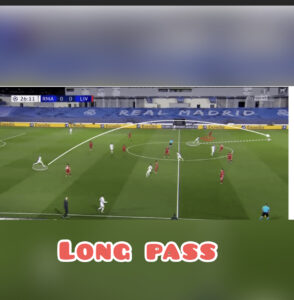
    Long Balls

    The long ball tactics stand out as a classic statistic that’s still kicking despite all the fancy new styles and formations. A long pass, or a long ball, is all about going straight for the goal, skipping the midfield and catching the other team off guard.

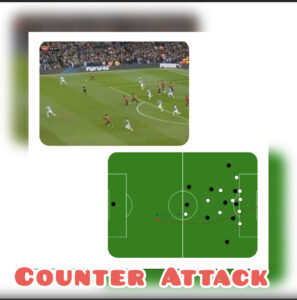
    Counter-attacking is one of the most useful offensive tactics utilized by successful teams like Jürgen Klopp’s Liverpool, demonstrating its effectiveness in turning a defensive situation into an unpredictable counter-attack. This tactic requires players to retreat deep during defensive phases, and get the ball forward to the attacking players as fast as possible as soon as they win the ball from the opposing team.

    Total Football: this revolutionized football tactics by emphasizing fluidity and adaptability, abandoning fixed positions for outfield players. This philosophy was showcased by players like Frank De Boer, who showed versatility across various areas of the pitch.

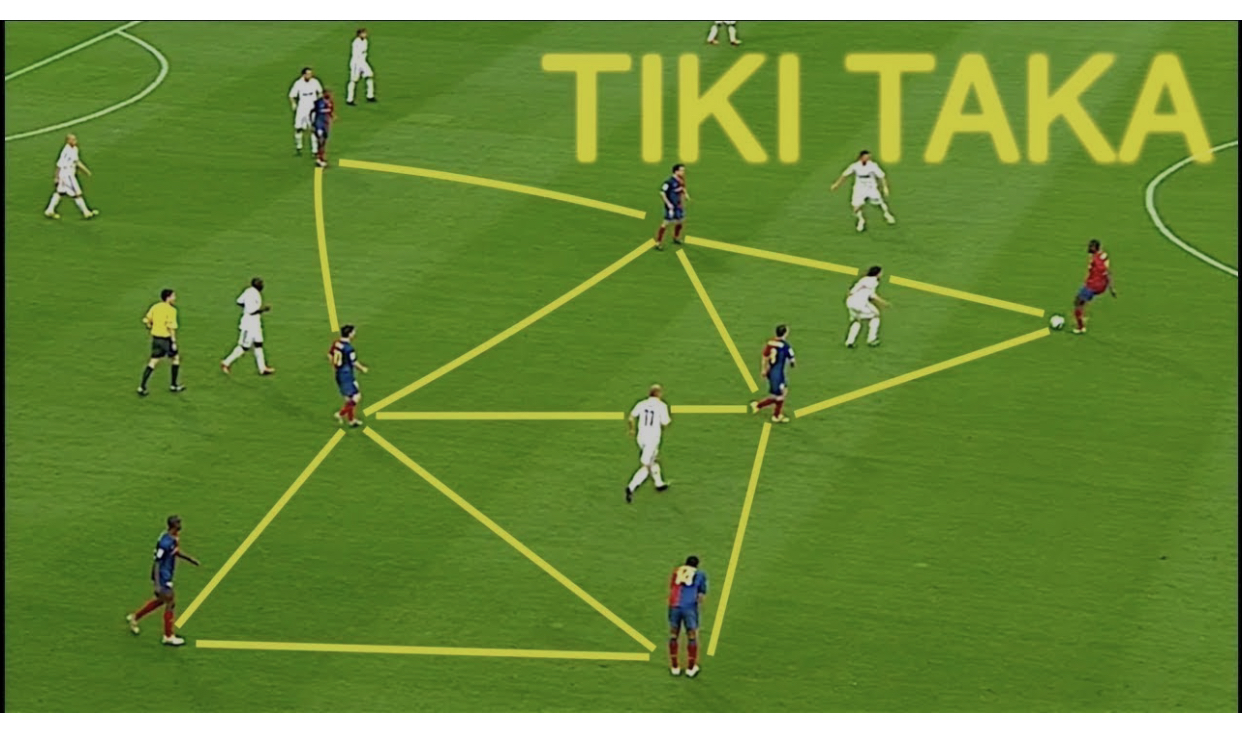
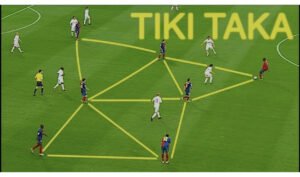
    ˈTiki -Taka : this is a style of play in football characterized by short passing and movement to
    Focuses on possession play, quick passing, and good movement off the ball, overwhelming opponents in the midfield and leaving them scrambling to regain control.

    Fast-paced and entertaining :  this is particular style for English teams

    Kick-rush football is supported by counter-attacks and wing playing. This is a style that is common in African football.

    The Samba style of Brazil is also known as ‘ginga’, which translates to ‘swing’ or ‘sway’ in English, which is a unique and special move for the players.
    Summary

    To summarize, understanding soccer tactics is one of the most important parts of the game. Soccer is a very physically and mentally demanding sport, but it is also a sport that demands high tactical intelligence and awareness.

  • Answer to the football Style

    Answer to the football Style

    What is style in football?

    Style is how a team decides to play on the pitch or what the team is identifying with on the field. I.e. approach a team is used to attacking , defending and in transition.

    The team style of playing is their philosophy of playing.
    And as coach, your style of playing is ur philosophy of playing.

    Attacking is a way of trying to advance the ball towards the opponent’s goal to score.

    Defending this is the process of stopping attacks during the game and preventing the opposition from scoring.

    What is Transition?
    Transition refers to a change in possession, or the moments when possession switches from one team to the other.

    What is the transition phase in football?
    The process of recognition and response in the first few moments following the regaining or loss of possession

    What to consider when choosing a style of play?
    To start, think about what your philosophy is. Ask yourself:
    How do I want my team to build attacks?
    How should they defend themselves?
    When, where and how should we press?
    How should the team react when they win or lose the ball?
    What roles and responsibilities are there for each position?

    All these questions will lead you to think of the tactics that sweeten ur style of playing.

    ATTACKING STYLE
    Short Plays
    Short plays are based on making short passes in order to carefully penetrate space and keep possession by cycling possession, mainly creating space by drawing players out of position.
    Short passes are typically complemented to some extent by pushing up from the back, sitting deep at the front and narrow positioning to increase compactness and so increase options for short passes, and low-tempo play to make it even easier to cycle possession.

    Direct Plays
    Direct plays are based on making long passes in order to directly penetrate space, mainly creating space by using physical power and forcing defensive mistakes from opposition team players.
    Long passes are typically complemented to some extent by pushing up from the front, sitting deep at the back and wide positioning to create space for direct penetration by decreasing compactness, and high tempo play to further increase the directness of penetration.

    DEFENDING STYLE

    Aggressive Defending
    Aggressive defending is based on closing down in order to aggressively restrict space in more advanced areas while applying high levels of defensive pressure, therefore forcing attacking mistakes from opposition players, which can enable quicker winning of possession, more frequent counter-attacks, high pressure counter-attacks and more time spent in possession.
    Closing down is typically complemented to some extent with pushing up and wide positioning to further increase defensive pressure.


    Cautious Defending
    Cautious defending is based on sitting off in order to cautiously protect space and retain compactness in deeper areas while inviting high levels of attacking pressure from the opposition team, therefore allowing available space to open up behind opposition team players for counter-attacks from deep after waiting to win possession.
    Sitting off is typically complemented to some extent by sitting deep and narrow positioning.

    Summary
    To summarize, understanding football style is an important part of the game, but this is going to be more meaningful and implemented if you identify good tactics to use for it to be well achieved and give desirable results.

    About Our Academy
    AVg football academy is located at liberty Stadium Ibadan Oyo State.
    Contact us on
    09067542352
    WhatsApp 08128345780

  • IQ Development

    IQ Development

    Athlete IQ
    This regarding athletic intelligence related to the sport.
    Often, an athlete’s IQ is of particular concern depending on their position or role in sports.
    Athlete intelligence has also been assessed in scouting and pre-draft procedures.

    Let me use football as a case study.
    What is football intelligence?
    A player’s ability to read the game, make smart decisions quickly, and adapt their play in response to evolving situations.
    or
    It is an ability to rapidly process information, apply rules and strategies, and make sound, independent on-field decisions.
    Shows that the player is intelligent by having the below traits?
    Know where “teammates” are before receiving the ball. Know where “opponents” are before receiving the ball. Know where the “space” is to play into before receiving the ball. Decide what to do with the ball before the ball arrives (one touch pass, two touches, when to dribble or run with the ball)etc.

    The world’s smartest and most creative football players read the game and play ahead of their opponents.

    To improve your playing intelligence is by Improving Spatial Awareness.

    Always keep your head up
    Scan the field before receiving the ball
    Develop your technical ability, first touch and ball control
    Watch more soccer and take notes on players with excellent spatial awareness skills
    Play 1 vs. 1 and 2 vs. 2 while observing the body movements of the defensive players.
    Limit playing space to force quicker play in tight areas
    Play and pass with limited touches (1 or 2 touches)
    Always practice by setting up game-like scenarios and working on your total field peripheral vision, imagination and special intelligence.
    Another critical aspect of player intelligence is the player’s movement with ball or off the ball and the concept of space playing, which shows the difference between amateur and professional players.
    As a coach or player, I suggest watching different professional videos to understand this concept.

  • Principle of defending

    Principle of defending

    What is the principle of defender in football?
    This is an arrangement you put in place that helps to get defenders behind the ball in a good defensive shape to help prevent penetration from the attacking team.

    The principles of defense are:
    Delay
    Compactness
    Depth
    Balance
    Control/Restraint
    Pressure
    Cover

    Delay : this way of delaying an opponent’s attack buys time, disrupts their rhythm, and allows teammates to recover. Don’t just tackle straight. Use jokes to delay.

    Compactness : ensures that the defensive unit stays tight and denies space to the attacking team. By limiting passing lanes and forcing the opposition to play wide, away from goal-scoring areas.

    Coaching Point : Tell your defenders to maintain close distances between themselves and their teammates to closely packed together.


    Depth : this is an arrangement put in place to ensure defenders cover behind the player pressing the ball, preventing attackers from easily breaking through the defensive line.
    Coaching point : Train your defenders to position themselves with depth, so when one player steps out to pressure the ball, another player provides cover.

    Balance: An important element of balance is positioning. A player must position himself in other ways to know the right places to block passes, intercept the ball, and prevent shots on goal.
    Coach point :always tell your defenders to focus on the ball and read the players.

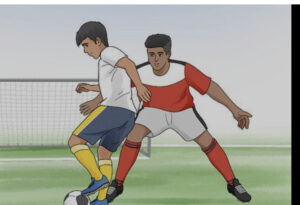
    Control & Restraint: this is the habit of preventing the attacker from turning as well as controlling the play and not diving in.
    Coaching point : tell your defenders to be tightly close to the opponent i:e close mark.

    Pressure : It’s a skill put in place in areas of the pitch – to win the ball back, dictate play, or delay the opposition.
    Coaching point : tell them when they apply pressure on the player or the team that’s in possession focus on the pass lane.
    Cover : this method requires three steps.
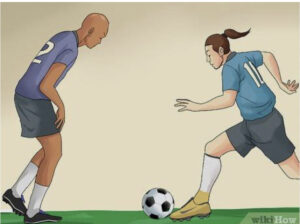
    VQ- forces the attacker to look down and protect the ball. “PRESS DON’T DIVE’.
    2) The second defender covers three things: the ball, the man and space.
    3) Teamwork Defending: Work together to force your opponents into an error.
    Coaching point : tell your defenders to stay calm when approaching the ball and to place themselves appropriately in relation to their teammates, the opposition, and the ball.

    All these principles depend on the style you intend to use.
    Remember. Your defending shape must be zonal.


    Anticipation : this is the ability to imagine what is going to happen and quickly react to the ball.

  • Attacking principle in football

    Attacking principle in football

    attacking principles provide both coaches and their players with a framework of how you will play in possession, allowing you to build tactics/strategies around these to help you with the desired outcome.
    Or
    It is the structure of how a team should behave when in possession of the ball and dictates how players should move to create space, manipulate the defense, and ultimately score goals.

    There are five attacking principles.
    Dispersal
    Penetration
    Movement
    Support
    Innovation/Creativity.

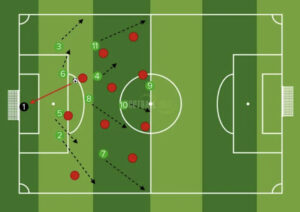
    Dispersal : this to how your team will create space by providing both width and depth for the player with the ball. This is done when your goalkeeper gains possession of the ball as soon as you’ve done that you want your full backs to create width and depth by moving high and wide up the pitch, Remember your midfield need to come down and triangulate formation in field are very important to maintain possession.

    Penetration: This is coming to attack through midfield. This is done to make your team focus on playing the ball through, around or over your opposition by using the midfield, passing ball to no 4 and for no 4, passing to no10 for no 10 passing between two opponents defenders to break lines or playing into the space behind.
    Or
    Ability for a team to be able to break line collectively or individually. So an example of a way which a team may penetrate may be the setback playing into a center midfielder to play forward.

    Movement : this is how players moves off the ball to create space for their teammates or for themselves.
    Or
    Relate to movement for players between spaces to receive the ball also around as well. So for example, if your opposition team is in a low block defensive principle it may be that the movement of the central forward comes down to get the ball.

    Can you remember Fernando Torres Chelsea against Barcelona after Torres lost the ball once he noticed one of his team has got back the ball, he keeps on movement until he got it to score goal?
    Here is the highlight.

    Support: this has to go with movement in how individual player’s depth support their teammates on the ball either behind, ahead, and beside all this coaches need to teach players how they want it.

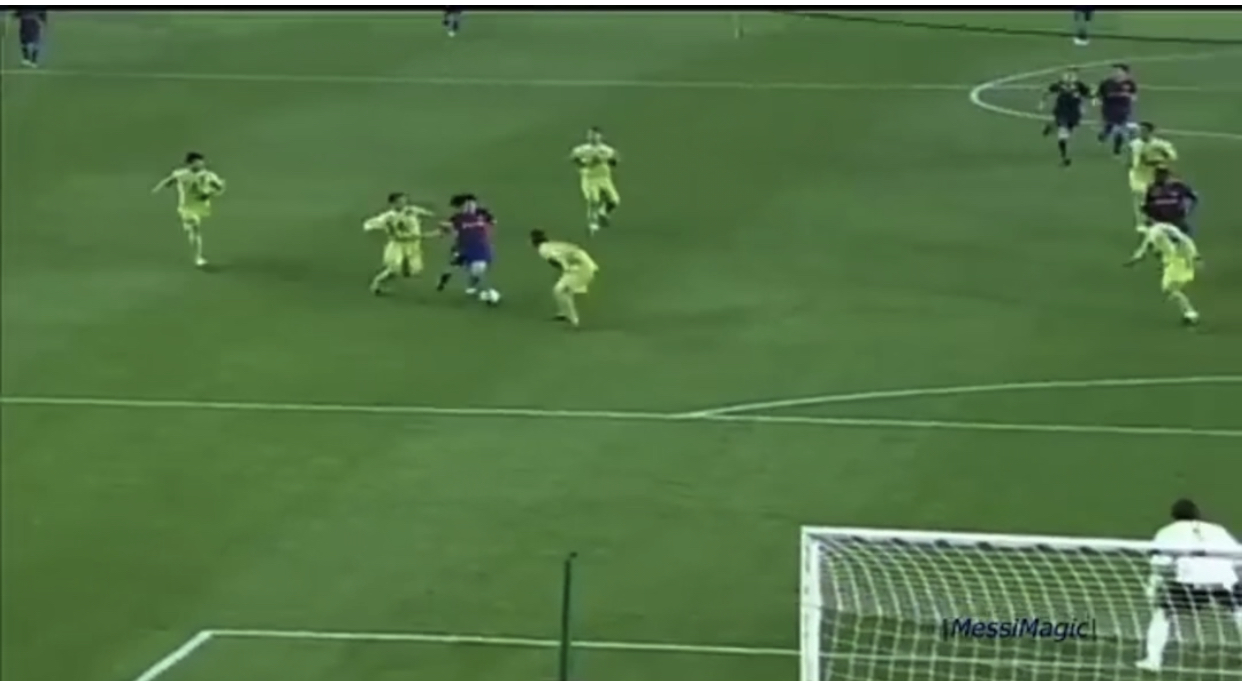
    Innovation /creativity: This is the innovation of an individual player in attacking third of the field, dribbling one or two players to score a goal or as well as combining with another player to play to -me to -you combination move to score goal.

    Watch how Messi did a solo move to score a fantastic goal.

    Summary :the principle of attacking is based on coaches perfective either he would like to start his building plan to score goals from defense, midfield or attacking third of the opponent.

    All this go with your choose style or system.