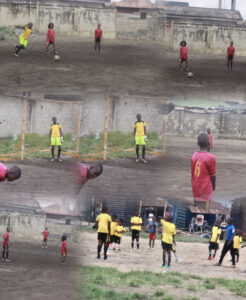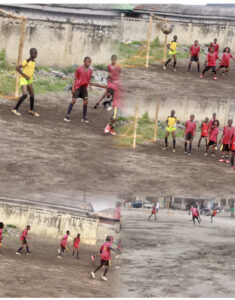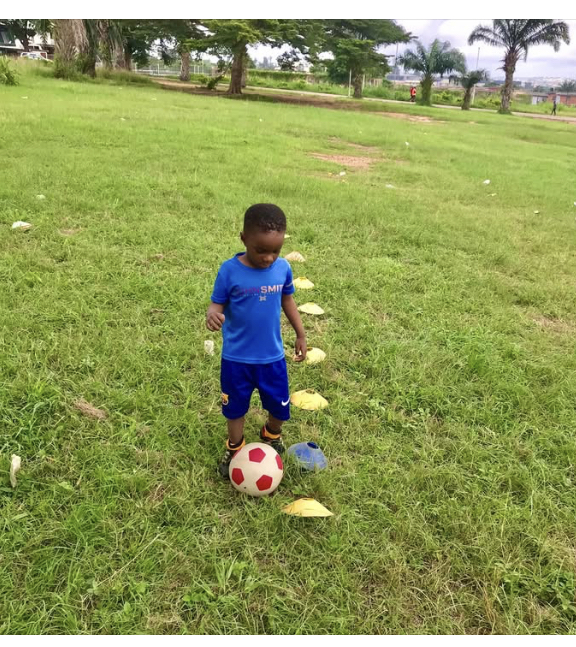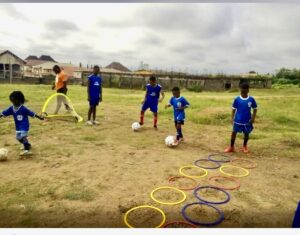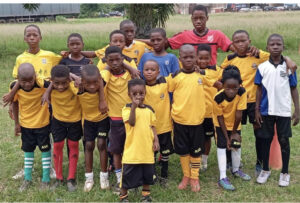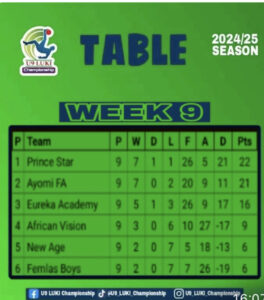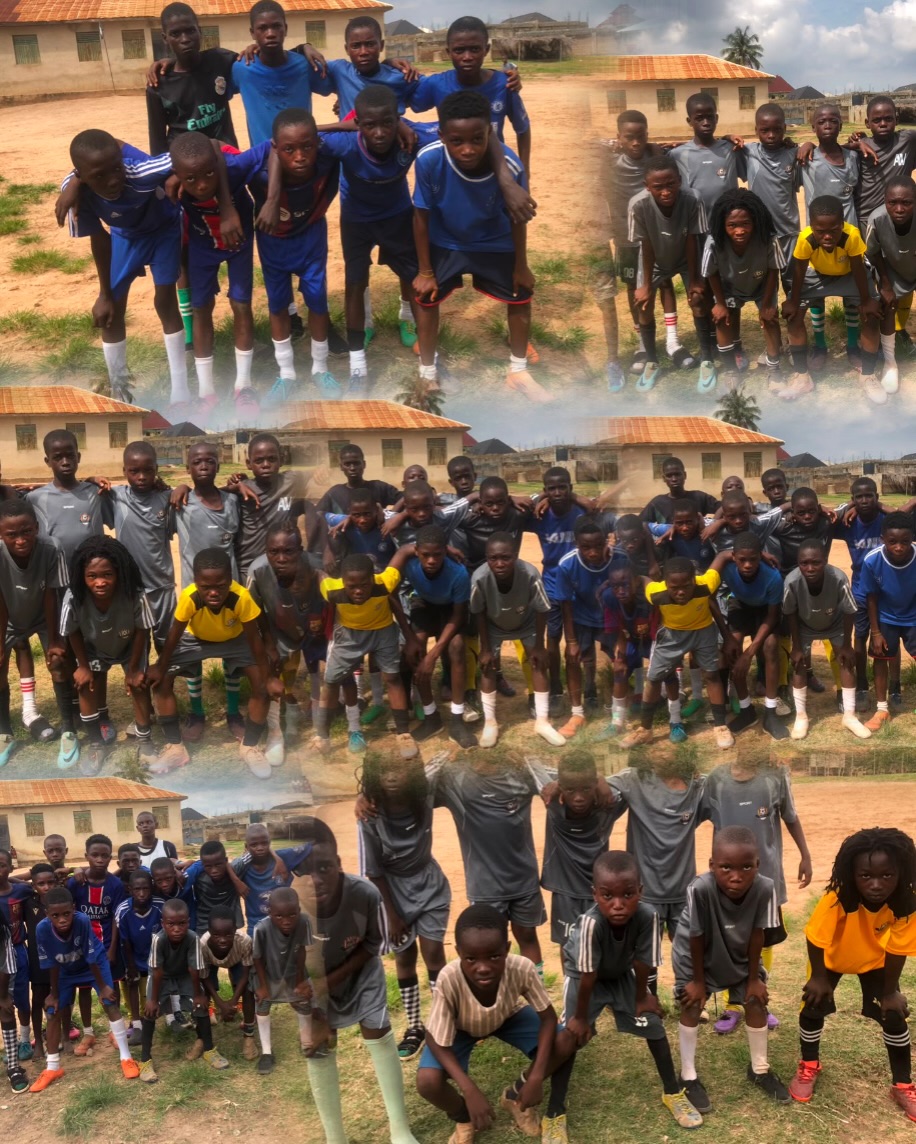
For young footballers, development is about far more than training drills on the practice pitch. Real growth comes when players are given the chance to test what they have learned in match conditions — reading the game, making decisions under pressure, and gaining the kind of exposure that only competitive play can offer. It is with that philosophy in mind that the AVG football academy took to the field for a recent friendly, an outing that offered several encouraging signs.
The Friendly at Moniya
The academy travelled to Moniya to play a friendly fixture made up of two games. The first game finished level at 1–1, a balanced contest in which both sides had their moments. In the second game, the AVG academy edged ahead to win 1–0. Taken together, the results were described as “a bit encouraging” — a measured, honest assessment that reflects the true purpose of friendly football at this stage: learning and progress rather than the scoreline alone.
Why Friendly Matches Matter in Development
Friendly games like this one play an important role in a young player’s journey. In training, players rehearse technique and tactics in a controlled setting. In a match — even a friendly — they must apply those lessons against unfamiliar opponents, adapt to the flow of the game, and manage the emotions that come with real competition. This exposure builds decision-making, composure, and game understanding in a way that drills alone cannot.
Outings such as the trip to Moniya also give young players valuable experience of playing away from their usual environment. Travelling to face another side, adjusting to a different pitch, and competing in front of spectators all help build the maturity and adaptability that serious development requires. These are exactly the “other things” beyond training that shape a well-rounded footballer.
Encouraging Signs on Show
There was plenty for the academy to take from the day. The competitiveness of both games — a draw and a narrow win — suggests the players are able to hold their own and create chances at their level. As one spectator put it: “If the academy keeps going on like that and if they can perform another performance like today, I think they have a chance to go far in the game.”
It was also noted that both teams showed quality football understanding for their age group. That mutual quality matters: playing against opponents who understand the game stretches young players and pushes them to raise their own standards, which is precisely the kind of challenge that accelerates development.
Looking Ahead
The value of a friendly is not fully measured on the day it is played, but in the weeks that follow. The real benefit comes when the lessons from a game like this feed back into training — sharpening the areas that were tested and reinforcing the strengths that showed through. Consistency is the theme the spectator’s comment points to, and it is a fair one: sustained, repeatable performances are what turn a promising outing into genuine long-term progress.
Conclusion
The AVG academy’s friendly at Moniya was a positive step. A 1–1 draw followed by a 1–0 win offered encouraging results, the players demonstrated solid understanding of the game, and there was warm recognition from those watching. For an academy focused on developing young talent, days like this — competitive, instructive, and grounded in real match experience — are exactly the building blocks that matter. The task now is to keep going, stay consistent, and carry that momentum into the sessions and games ahead.